
2026-05-15
양모와 면은 세계에서 가장 널리 사용되는 천연 섬유 중 하나이지만 신체에 미치는 영향은 매우 다릅니다. 양모는 온도 조절, 수분 관리 및 내구성이 뛰어나고 면은 부드러움, 따뜻한 환경에서의 통기성 및 관리 용이성이 뛰어납니다. 어느 쪽도 보편적으로 더 나은 것은 아닙니다. 올바른 선택은 기후, 활동 수준, 의류 사용 방법에 따라 달라집니다.
각 섬유의 기원을 이해하면 완성된 직물에서 왜 그렇게 다르게 행동하는지 설명하는 데 도움이 됩니다.
양모 is a protein-based fiber harvested from the fleece of sheep and certain other animals, including goats (cashmere and mohair), alpacas, and rabbits (angora). The most commercially significant variety is Merino wool, sourced from Merino sheep and prized for its unusually fine fiber diameter, which makes it soft enough for direct skin contact. At the microscopic level, wool fibers have overlapping scales along their surface, similar to roof shingles, and a crimped or wavy structure. These physical properties are responsible for many of wool's performance advantages.
면 is a cellulose-based fiber grown from the seed pods of the Gossypium plant. It is the most widely produced natural textile fiber in the world. The fiber itself is a single, long cell with a hollow center called a lumen. When cotton dries after harvesting, this lumen collapses, giving the fiber a naturally twisted, ribbon-like shape. This twist allows cotton fibers to lock together during spinning, creating strong, smooth yarns. Cotton feels soft and familiar against the skin and requires relatively simple processing compared to wool.
원단이 땀과 습기를 처리하는 방식은 일상복과 활동복 모두에서 가장 중요한 성능 요소 중 하나입니다.
양모 is hygroscopic, meaning it actively draws moisture vapor away from the skin before it becomes liquid sweat. According to the American Wool Council, 양모는 만졌을 때 축축한 느낌이 들기 전에 자체 무게의 30% 이상 수분을 흡수할 수 있습니다. 이는 양모가 각 섬유의 핵심으로 물을 흡수하여 표면을 상대적으로 건조한 느낌으로 유지하기 때문에 가능합니다. 면은 또한 수분을 쉽게 흡수하지만 중요한 차이점이 있습니다. 면은 직물 표면에 수분을 보유하고 유지한다는 것입니다. 면 셔츠는 젖으면 젖은 상태로 유지됩니다. 각 면 섬유의 루멘은 물로 채워져 섬유가 부피 기준으로 44~49%까지 부풀어 오르고 일반적으로 공기가 순환하는 공기 주머니를 닫습니다.
온화한 날씨에 낮거나 중간 정도의 활동을 하는 경우 면의 수분 보유력은 거의 문제가 되지 않습니다. 운동 활동이나 추운 날씨, 장시간 야외 활동 시에는 젖는 느낌 없이 수분을 관리하는 울의 능력은 중요한 기능적 이점입니다.
| 재산 | 양모 | 면 |
| 수증기 흡수율 | 섬유 중량의 최대 30% | 섬유 중량의 10~14% |
| 습하면 축축한 느낌 | 없음(수분은 내부적으로 흡수됨) | 예(표면에 수분이 유지됨) |
| 젖으면 섬유가 부풀어 오른다 | 약 35% | 44~49% |
| 건조 속도 | 보통 | 완전히 포화되면 느려짐 |
| 젖었을 때 단열 유지 | 예 | 아니요 |
양모 is often described as a natural thermostat. Its crimped fiber structure creates millions of tiny air pockets within the fabric, which trap body heat in cold conditions. This is the same principle behind insulating materials like down. Importantly, wool retains this insulating capacity even when wet, because moisture is absorbed into the fiber core rather than filling the air pockets. This makes wool a preferred material for outdoor base layers, cold-weather underlayers, and sleepwear in variable climates.
면, by contrast, is more breathable in warm, dry conditions. Its smooth fibers allow air to circulate freely through the weave. However, once cotton becomes saturated with sweat or rain, it loses its insulating properties almost entirely. In cold and wet conditions, this can be a safety issue, which is why outdoor gear guides consistently recommend against cotton as a base layer when temperatures drop.
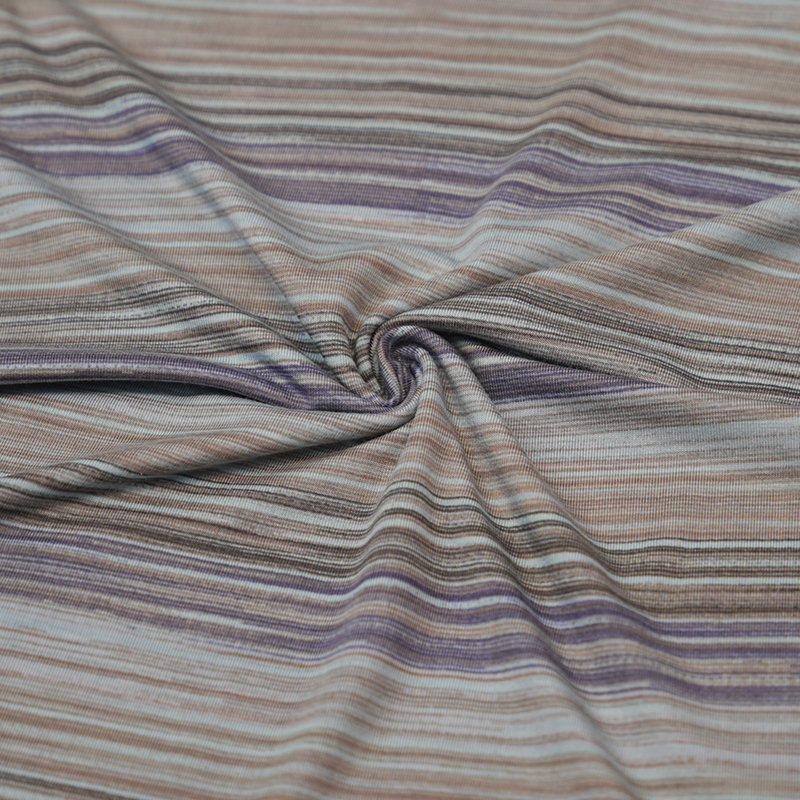
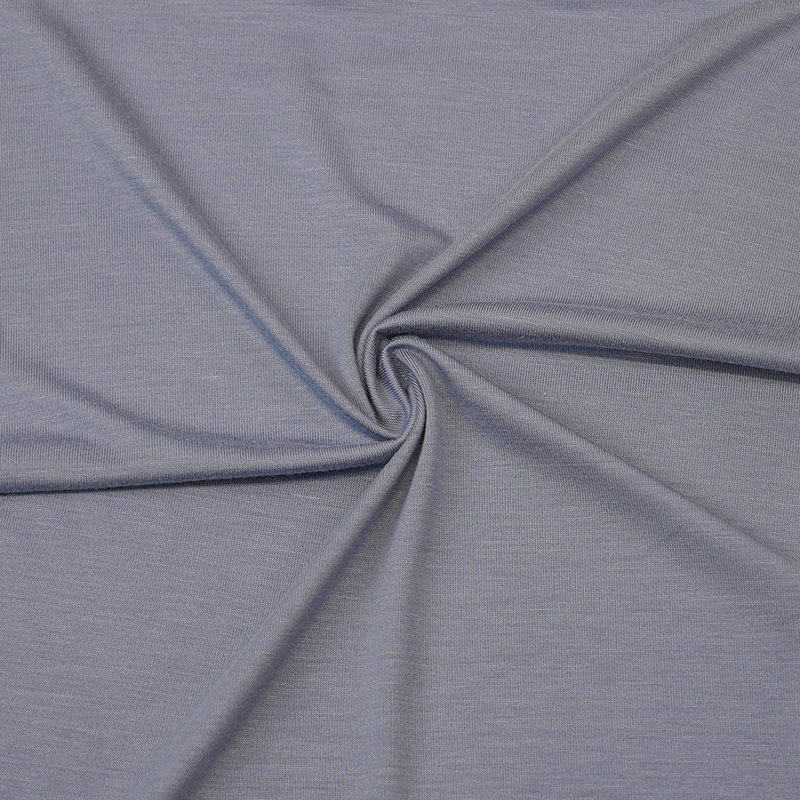
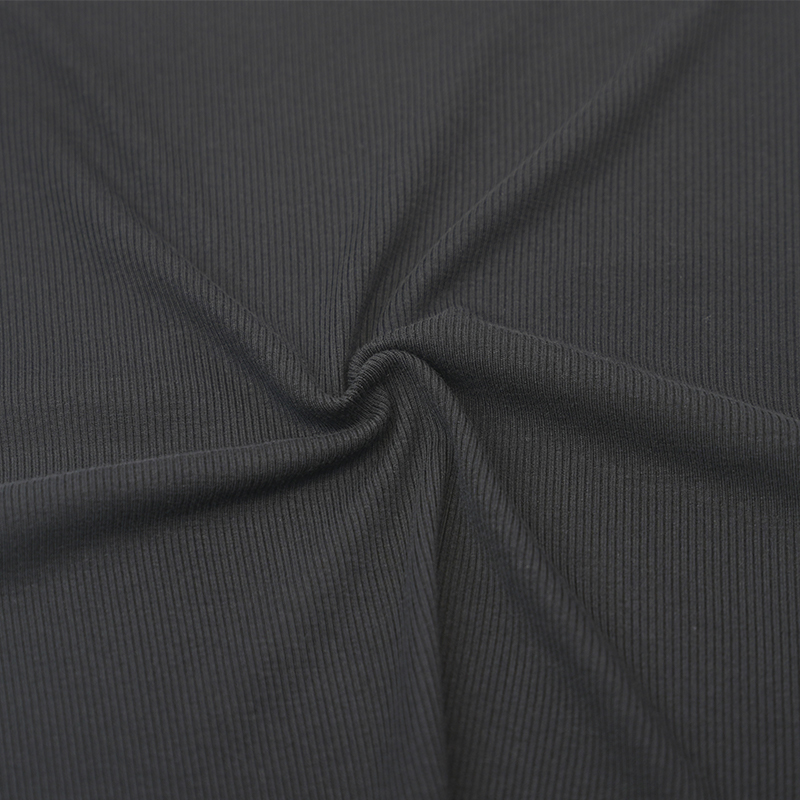
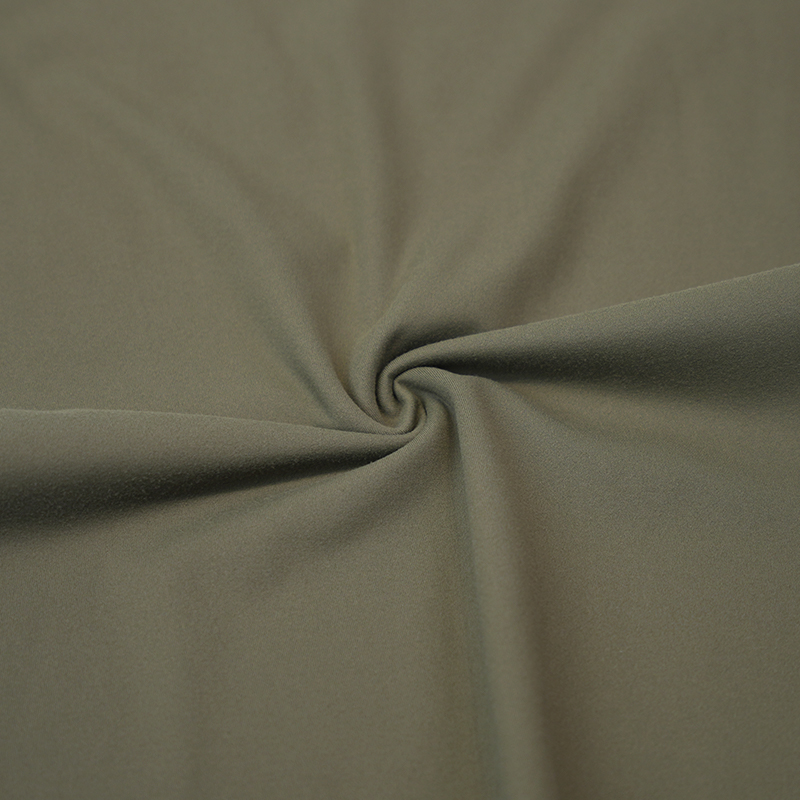
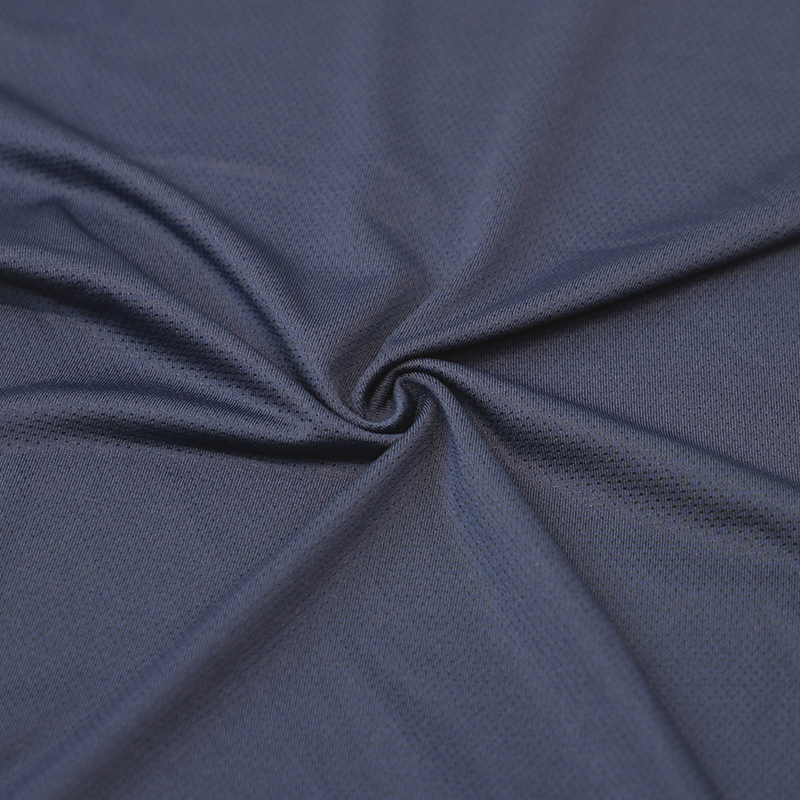
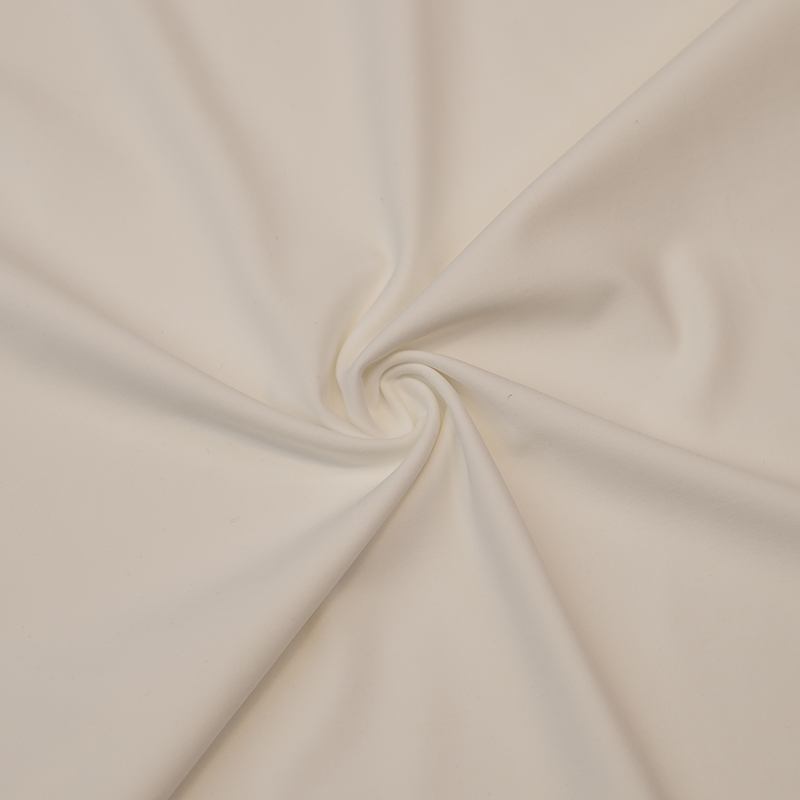
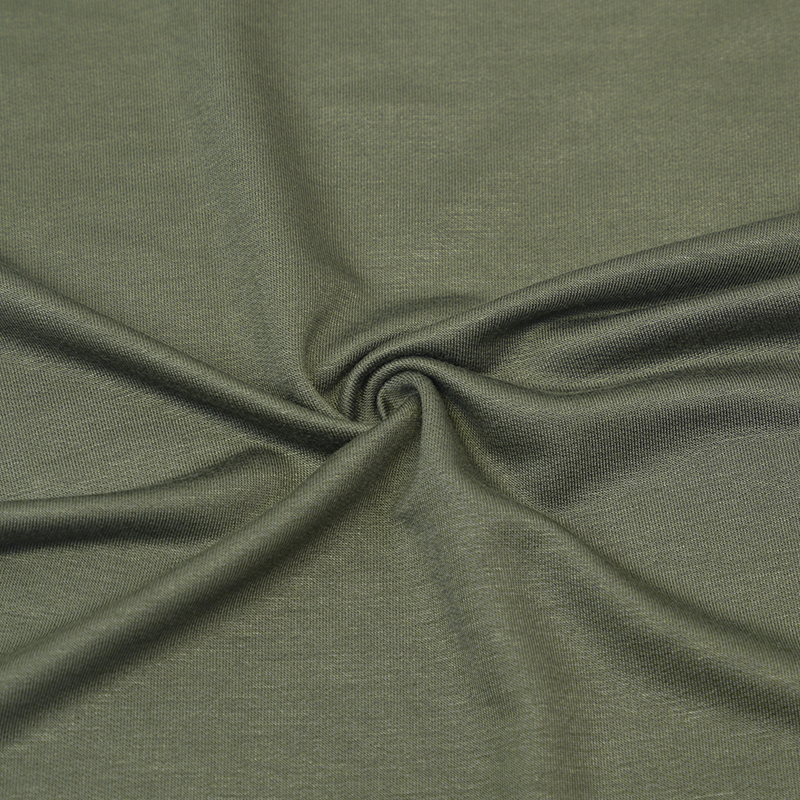
따뜻한 날씨에 캐주얼하게 입으려면 면이 더 편안한 선택입니다. 춥거나 예측할 수 없는 날씨에 레이어링할 경우 울이 훨씬 더 나은 성능을 발휘합니다. 아래에서 개발된 것과 같은 일부 혁신적인 직물 밤실크™ 천연 섬유를 혼합하는 접근 방식은 미세한 천연 섬유의 온도 조절 부드러움과 향상된 통기성을 결합하여 일년 내내 편안함을 제공함으로써 이러한 격차를 해소하는 것을 목표로 합니다.
양모 has a significant advantage in fiber flexibility and resilience. According to the American Wool Council, 양모 섬유는 끊어지기 전에 20,000번 이상 구부러질 수 있습니다. 면 fibers, by comparison, reach their breaking point after approximately 3,000 bends. This difference in structural flexibility translates directly to how garments age. Wool knits and woven fabrics tend to hold their shape longer, resist pilling better under friction, and survive repeated wash cycles with less visible wear.
면, while less flexible at the fiber level, has strong tensile strength in dry conditions and benefits from the twisted structure of its yarns. Well-constructed cotton garments, particularly woven items like denim or canvas, are extremely durable in their own right. The durability of cotton tends to be most evident in structured, tightly woven applications, while wool's durability advantage is most apparent in knitted, frequently flexed garments like socks, sweaters, and base layers.
면 has a well-earned reputation for softness. Its smooth, scaled-free surface is gentle against most skin types from the first wear, which explains why it dominates in baby clothing, underwear, and everyday T-shirts. Cotton also softens further with washing, making older cotton garments often more comfortable than new ones.
표준 양모는 특히 민감한 피부를 가진 사람들에게 긁히거나 자극적일 수 있습니다. 이는 주로 섬유 직경의 함수입니다. 두꺼운 양모 섬유(직경 약 30 마이크론 이상)는 따끔거리는 느낌을 유발할 가능성이 더 높습니다. 일반적으로 섬유 직경이 15~24 마이크론인 메리노 울은 이러한 문제를 방지하며 대부분의 착용자가 피부에 직접 접촉해도 편안한 것으로 간주됩니다. 섬유가 미세할수록 결과가 부드러워집니다.
속옷, 잠옷, 하루 종일 피부에 직접 닿는 의류의 경우 직물의 부드러움은 사소한 고려 사항이 아닙니다. 이는 고급 천연 섬유 혼방 및 처리된 직물이 표준 울과 기존 면 모두를 대체할 수 있는 인기를 얻은 이유 중 하나입니다.
양모 has a natural advantage in odor resistance. The scaled surface of wool fibers traps odor-causing bacteria and volatile compounds, preventing them from spreading through the fabric. These compounds are only released during washing. In practical terms, this means wool garments can often be worn multiple times before requiring laundering without developing noticeable odor.
면, while breathable and fresh-smelling when clean and dry, provides less odor resistance once it becomes damp. The moisture retained in cotton fibers creates a favorable environment for bacterial activity, which is the primary source of fabric odor. Frequent washing is typically required to keep cotton activewear and underlayers fresh. For travelers, those with active lifestyles, or anyone who values low-maintenance clothing, wool's odor resistance is a meaningful practical benefit.
두 섬유 모두 천연 소재이며 생분해성이 있어 폴리에스터나 나일론과 같은 합성 소재에 비해 환경적 이점을 제공합니다. 그러나 생산 과정은 크게 다릅니다.
양모 production involves animal husbandry, which raises questions about land use and animal welfare. Responsible sourcing standards, such as the Responsible Wool Standard (RWS), address these concerns by requiring farms to demonstrate sustainable land management and ethical animal treatment. Wool is also a renewable fiber: sheep produce new fleece each year without being harmed.
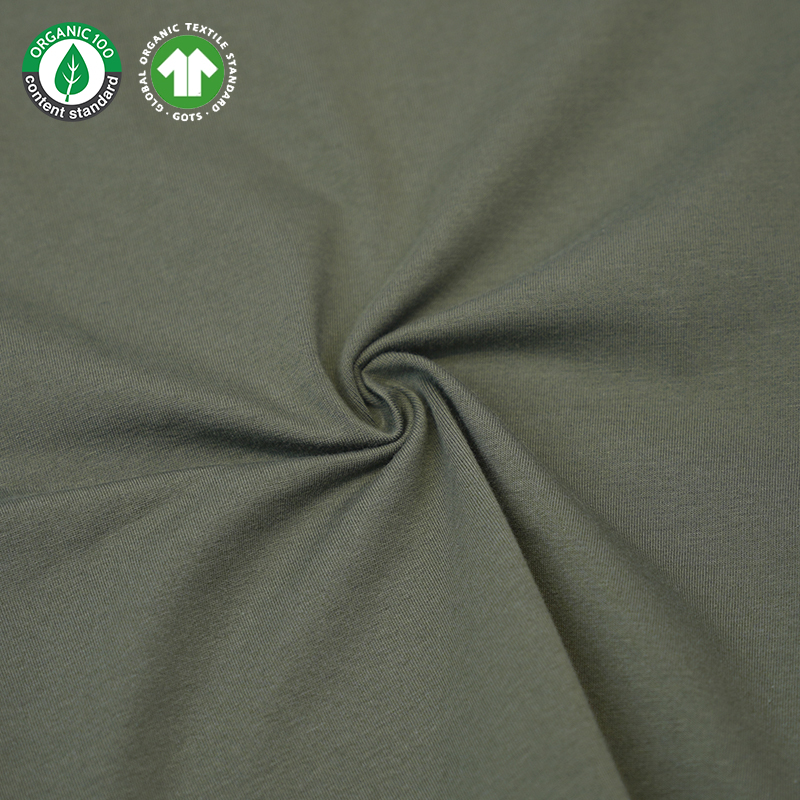
재래식 면화는 세계 농업에서 물을 가장 많이 사용하는 작물 중 하나이며 역사적으로 살충제에 크게 의존해 왔습니다. 합성 살충제나 비료 없이 재배되고 GOTS(Global Organic Textile Standard) 또는 OEKO-TEX와 같은 표준에 따라 인증된 유기농 면화는 이러한 문제를 대부분 해결하지만 일반적으로 비용이 더 많이 들고 전체 면화 생산량에서 차지하는 비중이 더 작습니다.
지속 가능성을 우선시하는 소비자와 브랜드에게 인증은 섬유 자체만큼 중요합니다. 양모와 면 모두 책임감 있게 생산될 수 있습니다. 문제는 특정 제품의 공급망이 검증 가능한 환경 및 윤리 표준을 충족하는지 여부입니다.
면 is one of the easiest fabrics to care for. Most cotton garments tolerate machine washing in warm or hot water, tumble drying, and ironing at high temperatures. Cotton also improves in feel with repeated washing. The main risks are shrinkage (particularly in hot water) and gradual fading of colors over time.
양모 requires more careful handling. Standard wool can shrink and felt irreversibly if exposed to hot water or agitation. Most wool garments should be hand-washed in cool water or machine washed on a delicate cycle with a wool-safe detergent, then reshaped and air dried flat. Merino wool and superwash-treated wool are exceptions: these varieties have been processed to withstand gentler machine washing, making them significantly more convenient for everyday use.
울 의류는 세탁이 필요하기 전에 여러 번 입을 수 있기 때문에 총 세탁 빈도는 동등한 면 의류보다 낮을 수 있으며 이는 더 까다로운 관리 요구 사항을 부분적으로 상쇄합니다.
다음 표에는 위에서 설명한 성능 요소를 기반으로 일반 의류 카테고리에 더 적합한 섬유가 요약되어 있습니다.
| 의류 또는 사용 사례 | 권장섬유 | 주된 이유 |
| 데일리 티셔츠와 캐주얼 탑 | 면 | 부드러움, 통기성, 간편한 관리 |
| 추운 날씨용 베이스레이어 | 양모 (Merino) | 젖었을 때 단열 유지, moisture management |
| 속옷과 친밀한 것 | 면 or fine natural blends | 피부 부드러움, 통기성, 저자극성 |
| 운동복 및 야외복 | 양모 or performance blends | 수분 흡수, 냄새 방지, 온도 조절 |
| 스웨터와 니트웨어 | 양모 | 보온성, 형태유지성, 내구성 |
| 여름 드레스와 셔츠 | 면 | 가볍고 통기성이 좋으며 세탁이 용이함 |
| 여행 의류 | 양모 (Merino) | 내취성, 며칠간 착용 가능, 온도 다양성 |
| 유아복 및 아동복 | 면 | 최고의 부드러움, 저자극, 간편한 케어 |
양모와 면의 장점과 한계는 천연 섬유 혼합과 직물 공학에 있어 상당한 혁신을 가져왔습니다. 하나의 섬유만을 선택하는 대신, 많은 제조업체는 이제 여러 천연 자원의 최고의 특성을 결합한 직물을 개발합니다. 예를 들어, 미세한 천연 섬유와 대나무 유래 소재를 혼합하면 면처럼 부드럽고 양모처럼 수분을 관리하며 천연 항균 기능을 갖춘 직물을 얻을 수 있습니다. 이는 당사가 개발한 제품의 방향입니다. 밤실크™ 기능성 결과를 얻기 위해 합성 소재에 의존하지 않는 고성능 직물을 생산하기 위해 지속 가능한 천연 섬유 기술을 결합한 패브릭 라인입니다.
추적 가능하고 인증된 천연 섬유 제품에 대한 소비자 수요가 증가함에 따라 섬유 산업은 섬유 소싱, 가공 및 최종 제품 성능에 대한 투명성을 높이는 방향으로 나아가고 있습니다. 의류가 순수 울, 순수 면 또는 세심하게 가공된 천연 혼방으로 만들어졌는지에 따라 제조 단계의 섬유 선택에 따라 의류의 성능, 느낌 및 수년간의 착용 지속 여부가 결정됩니다.
2001년에 설립된, Nantong Tianhong Textile Technology Co., Ltd.(BAMSILK™) R&D, 생산, 글로벌 판매를 통합하는 지속 가능한 고성능 천연섬유 직물 전문 제조업체입니다. 당사의 제품은 FSC, OCS 및 OEKO-TEX Standard 100을 포함한 인증의 지원을 받으며 이는 책임 있는 소싱 및 추적 가능한 공급망에 대한 당사의 약속을 반영합니다. 최고의 환경 및 성능 기준을 충족하는 천연 섬유 직물을 찾고 계시다면, 우리의 제품 범위를 살펴보세요 귀하의 요구에 맞는 솔루션을 찾으십시오.
데이터 소스
자세한 내용은 당사에 문의하십시오
필요할 때 주저하지 마십시오!
우리 커뮤니티에 가입하고 연결되어 있습니다