
2026-07-31
Synthetic fibers like polyester and nylon wick moisture and dry fastest, because they absorb almost no water into the fiber itself and instead move sweat along engineered surface channels to evaporate. Natural and semi-synthetic fibers such as cotton, bamboo viscose, modal, and wool behave very differently, since they pull moisture into the fiber core rather than moving it along the surface, which is why a "moisture-wicking" claim on a tee shirt tag can mean very different things depending on what the fabric is actually made from.
속건성, 땀 관리 기능이 뛰어난 티셔츠에 적합한 원단을 선택하는 것은 단순히 통기성이 가장 좋은 소재를 선택하는 문제가 아닙니다. It comes down to understanding two separate properties, how much moisture a fiber absorbs and how quickly it moves that moisture to a surface where it can evaporate, and those two properties do not always move together. This guide breaks both down, compares the fabric families most commonly used in tee shirts today, and lays out how construction and laundry habits change performance just as much as fiber choice does.
Two separate physical properties get bundled together under the single label "moisture wicking," and untangling them explains most of the confusion around which fabrics genuinely perform. 첫 번째는 흡수성, 즉 섬유가 자체 내부 구조로 끌어들이는 물의 양입니다. 두 번째는 섬유가 흡수하는 양에 관계없이 모세관 현상을 통해 섬유 표면을 따라 액체가 이동하는 심지(wicking)입니다.
수분 회복만으로는 오해의 소지가 있는 이유이기도 합니다. A fiber that absorbs more water is not automatically better at keeping skin dry, since absorption and transport pull in opposite directions: a fiber built to hold moisture inside its structure is, almost by definition, working against fast evaporation at the surface.
수분 회복량은 표준 조건에서 섬유가 자체 건조 중량에 비해 얼마나 많은 물을 흡수하는지 측정합니다. It is one of the most cited numbers in fiber comparisons, and the spread between fiber types is large enough to explain a lot of real-world fabric behavior on its own.
Polyester's near-zero regain is exactly why it dries so fast, there is almost no water trapped inside the fiber that needs to evaporate in the first place. 대나무 비스코스, 모달, 면과 같은 셀룰로오스 섬유는 반대쪽 끝에 위치하여 구조 내부에 상당한 양의 물을 보유하고 있습니다. Wool is the outlier, since its unique dual-layer structure lets it absorb a large amount of moisture vapor into its core while still keeping its outer surface feeling comparatively dry.
| 패브릭 제품군 | 수분을 처리하는 방법 | 건조 속도 | 일반적인 티 사용 |
| 폴리에스테르 / Nylon | 흡수를 방지하고 공학적 표면 채널을 따라 땀을 이동시킵니다. | 가장 빠른 | Athletic and performance tees |
| Poly-면 or Poly-Modal Blends | 합성성분은 촉촉함을 전달하고 천연성분은 손의 느낌을 부드럽게 해줍니다. | 빠르거나 중간 정도 | Everyday active tees, gym-to-street styles |
| 메리노 울 | 더 건조한 외부 표면 뒤의 친수성 코어로 증기를 흡수합니다. | 보통 | Base layers, odor-sensitive activewear |
| 대나무 비스코스 / Modal | 섬유 자체에 상당한 양의 수분을 흡수합니다. | 보통 to slow | Soft everyday tees, loungewear-style basics |
| 면 | 수분을 쉽게 흡수하여 움직이지 않고 잡아줍니다. | 가장 느림 | 캐주얼하고 가벼운 일상복 |
Two tees made from the exact same fiber can perform very differently once construction is factored in. Fiber content sets the baseline, but yarn shape, knit density, and finishing treatments often move performance just as much.
일반적인 티셔츠 원단의 부드러움과 흡수 및 건조 속도를 비교하면 기본 균형을 한 눈에 쉽게 확인할 수 있습니다. 직물은 동시에 두 가지 모두에서 높은 점수를 받는 경우가 거의 없으며 대부분의 소싱 결정은 특정 제품에 대해 이 차트의 어느 쪽이 더 중요한지에 따라 결정됩니다.
기능성 폴리에스터는 속건성이 가장 뛰어나지만 일반적으로 천연 섬유가 제공하는 부드럽고 피부 친화적인 느낌을 일부 대신합니다. 대나무 비스코스와 모달은 거의 반대쪽 끝에 위치하여 부드러움으로 유명하지만 젖으면 완전히 건조되는 속도가 더 느립니다. 혼합 직물은 합성 성분의 속도와 천연 성분의 부드러움을 빌려 섬유 조합을 이 차트의 오른쪽 상단으로 끌어당기기 위해 특별히 존재합니다.
The right answer to "what fabric wicks moisture and dries fastest" depends heavily on what the tee is actually for, since the fastest-drying option is not always the most comfortable or most appropriate one for every use case.
고강도 훈련, 달리기 또는 무겁고 지속적인 땀을 흘리는 활동의 경우 빠른 증발이 주요 기능적 요구 사항이므로 고성능 폴리에스터 또는 폴리 혼방 메쉬가 가장 신뢰할 수 있는 선택입니다. For everyday active wear, gym-to-street tees, or travel basics where moderate sweat management matters but all-day comfort matters just as much, a poly-cotton or poly-modal blend tends to strike the most practical balance. 부드러움, 드레이프성, 자연스러운 촉감이 최우선이고 땀 관리가 주요 관심사가 아닌 캐주얼하고 강도가 낮은 의류의 경우, 대나무 비스코스나 모달 저지와 같은 셀룰로오스 옵션은 기능성 합성 섬유보다 건조하지 않더라도 강력하고 편안한 선택으로 남아 있습니다.
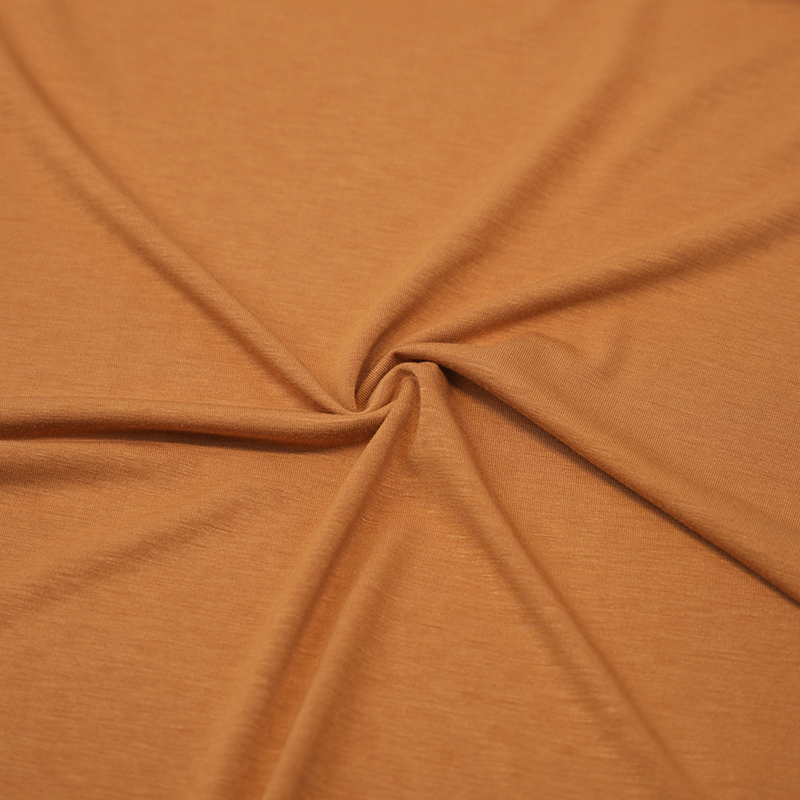
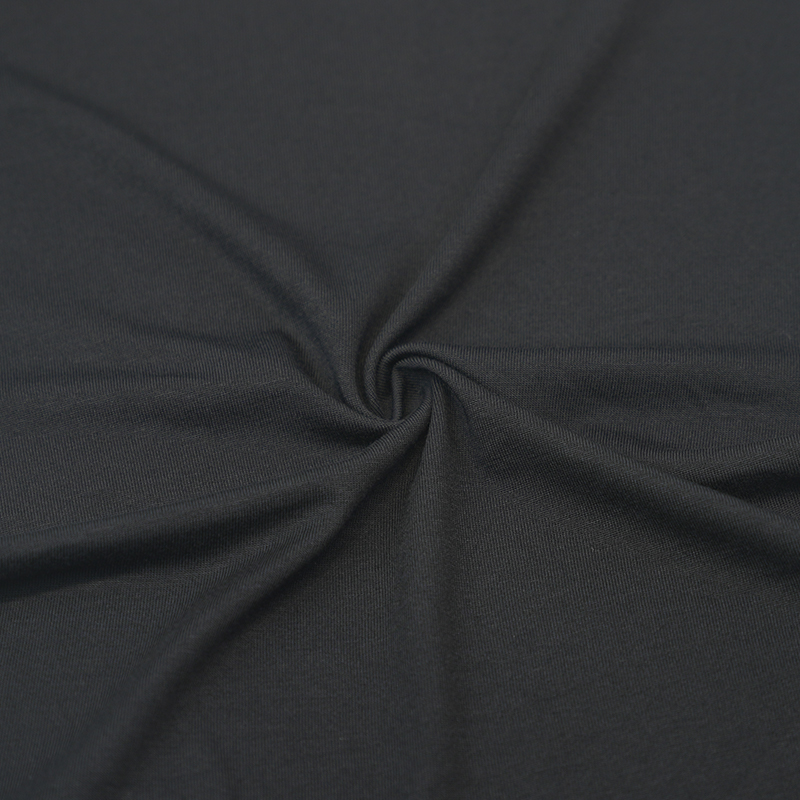
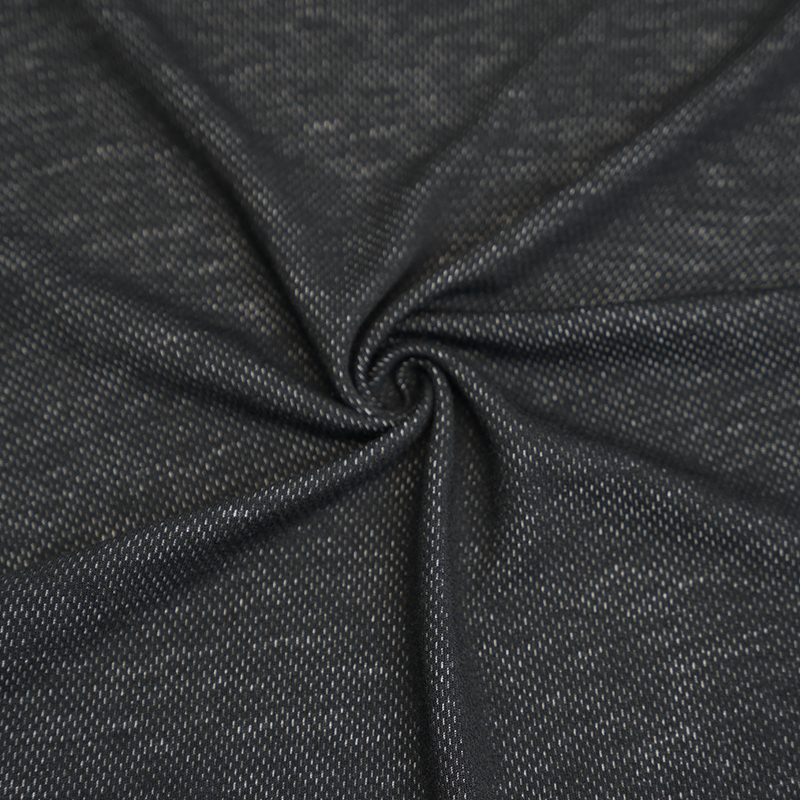
위 차트의 폴리 블렌드 카테고리는 단지 이론적인 중간 지점이 아니라 실제로 많은 실제 생산 직물이 존재하는 곳입니다. Pairing bamboo viscose with a hydrophobic synthetic fiber is a common way mills engineer a jersey that keeps a soft, natural-feeling hand while pulling wicking and drying performance closer to a technical fabric than bamboo viscose could achieve on its own.
수분 관리와 냄새 제어는 밀접하게 관련되어 있지만 동일하지는 않습니다. 폴리에스테르의 기름을 끌어당기는 표면 화학은 전체적으로 더 빨리 건조됨에도 불구하고 천연 섬유보다 특정 냄새를 유발하는 화합물을 더 끈질기게 붙잡을 수 있음을 의미합니다. 이것이 바로 일부 심하게 마모된 합성 활동복이 흡수 측면에서 우수한 성능을 발휘함에도 불구하고 시간이 지남에 따라 지속적인 냄새가 발생하는 이유입니다. 양모의 구조는 섬유 화학이 냄새를 유발하는 화합물을 덜 쉽게 결합하는 경향이 있기 때문에 자연적인 이점을 제공합니다. 면, 대나무 비스코스, 모달과 같은 셀룰로오스 섬유는 일반적으로 중간에 위치하며, 심하게 마모된 폴리에스테르처럼 냄새를 잡아주지도 못하고 양모만큼 효과적으로 저항하지도 못합니다.
섬유와 구조는 티셔츠가 얼마나 잘 흡수되고 건조될 수 있는지에 대한 한도를 설정하지만 일상적인 세탁 습관에 따라 의류가 시간이 지남에 따라 그 한도 근처에서 계속 성능을 발휘하는지 여부가 결정됩니다. 한 가지 습관은 거의 모든 다른 습관보다 심지 성능에 더 많은 손상을 초래합니다.
2001년에 설립된, Nantong Tianhong Textile Technology Co., Ltd. . (BAMSILK™) is a specialized manufacturer of sustainable, high-performance natural fiber fabrics, integrating R&D, production, and global sales. Located in Nantong, one of China's key textile hubs, Tianhong benefits from a well-established industrial ecosystem that ensures efficient sourcing, streamlined manufacturing, and reliable delivery under strict quality control. Sustainability is central to Tianhong's operations, supported by certifications including FSC, OCS, and OEKO-TEX Standard 100, with ongoing development of natural and blended fiber solutions, including bamboo viscose, for apparel partners worldwide.
Moisture regain figures referenced in this article are standard commercial values as defined by ASTM D1909, Standard Tables of Commercial Moisture Regains for Textile Fibers, the internationally recognized reference used across the textile industry for fiber moisture comparisons.
자세한 내용은 당사에 문의하십시오
필요할 때 주저하지 마십시오!
우리 커뮤니티에 가입하고 연결되어 있습니다