
2026-08-21
Imagine two samples of the same brief style placed side by side on a factory table. They look identical: the same shade, the same GSM, the same size set. After five home washes, one has pilled around the rear seam and lost its waistband recovery, while the other still fits and still looks clean. The pattern, the stitching and the dyestuff were exactly the same. What separated them was the fabric, and what separated the fabric was the fiber.
Pilled around the rear seam. 허리띠 회복이 사라졌습니다.
여전히 맞습니다. 그래도 깨끗해 보이네요.
속옷에는 the fabric is the product . A garment worn in continuous contact with a delicate area of skin cannot compensate for the wrong fiber with clever cutting. The material decides whether the product breathes, how fast it dries, whether it holds its shape after repeated washing, and whether it passes the chemical safety reviews that more and more retail programs now require. This article breaks down the fiber families, the knit structures, and the sourcing checks that matter for underwear programs.
Before comparing fiber families, it helps to define what good actually looks like from a sourcing perspective. In our fabric development work, seven criteria dominate underwear evaluations.
| 기준 | Why it matters for underwear | 일반적인 테스트 또는 확인 |
| 통기성 | Reduces heat and humidity next to the skin | Air permeability test (e.g., ASTM D737) |
| Moisture management | Keeps the skin dry during activity and sleep | Moisture wicking and drying rate tests |
| Softness and hand feel | Determines the all-day comfort impression | Fabric hand panel or comparable evaluation |
| 스트레칭과 회복 | Prevents bagging and keeps the garment in place | Repeated stretch and recovery test |
| 치수 안정성 | Limits shrinkage or growth after washing | Wash test per AATCC 135 or ISO 6330 |
| 필링 저항 | Keeps the surface smooth wash after wash | Martindale pilling test |
| Skin compatibility | Reduces the risk of irritation in a sensitive area | OEKO-TEX Standard 100, Class 2 |
For most underwear programs, breathability, moisture management and stretch recovery carry the most weight; the rest of the criteria determine how well a fabric survives real use, which is where complaints and returns are born.
Underwear fibers sit on a spectrum. At one end are natural fibers used essentially as harvested. At the other end are synthetic fibers built from petrochemical feedstock. Between them are manufactured cellulosic fibers, which start from a natural raw material but need a chemical step to become yarn.
Cotton is still the reference point for everyday underwear. It absorbs moisture readily, feels familiar against the skin and launders easily. The trade-off is that cotton holds water rather than transferring it away, so drying is slow and a cotton garment can feel clammy during exercise or in humid conditions. In practice, most cotton underwear today is blended with 5% to 8% spandex to add recovery and keep the garment in place.
Organic cotton changes the agricultural input, not the fiber itself. It is grown without synthetic pesticides or fertilizers and is typically audited against standards such as the Organic Content Standard (OCS). If an organic claim is important to the brand, the certification documentation matters more than any hand-feel difference, because the fiber itself behaves like conventional cotton.
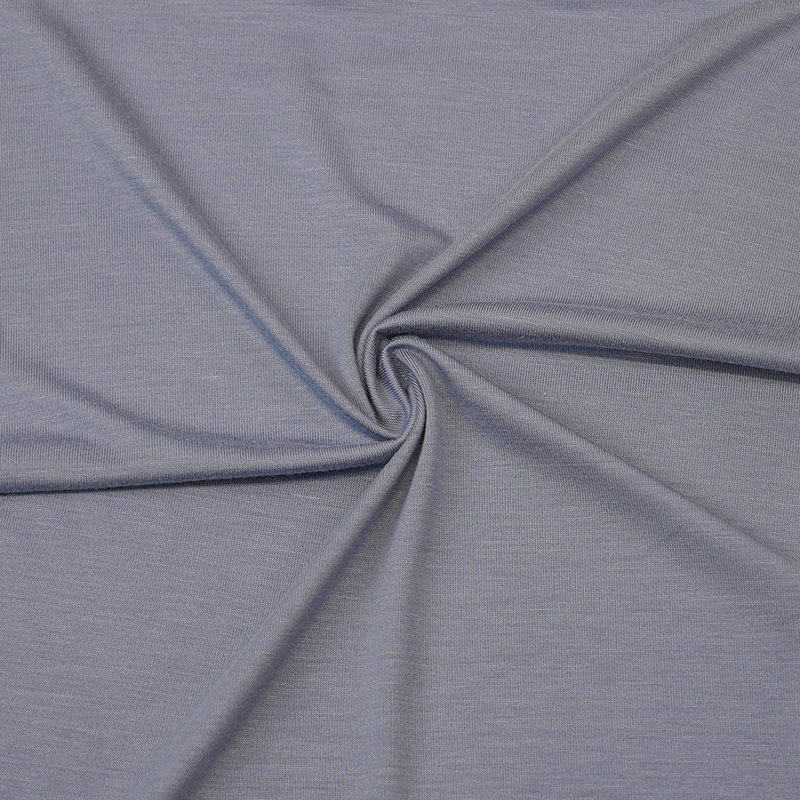
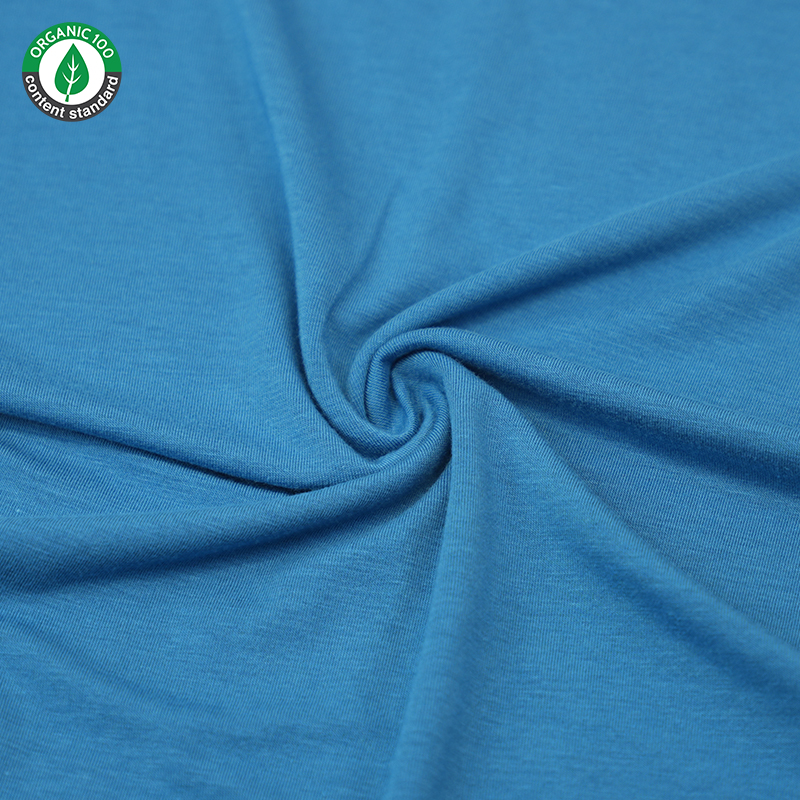
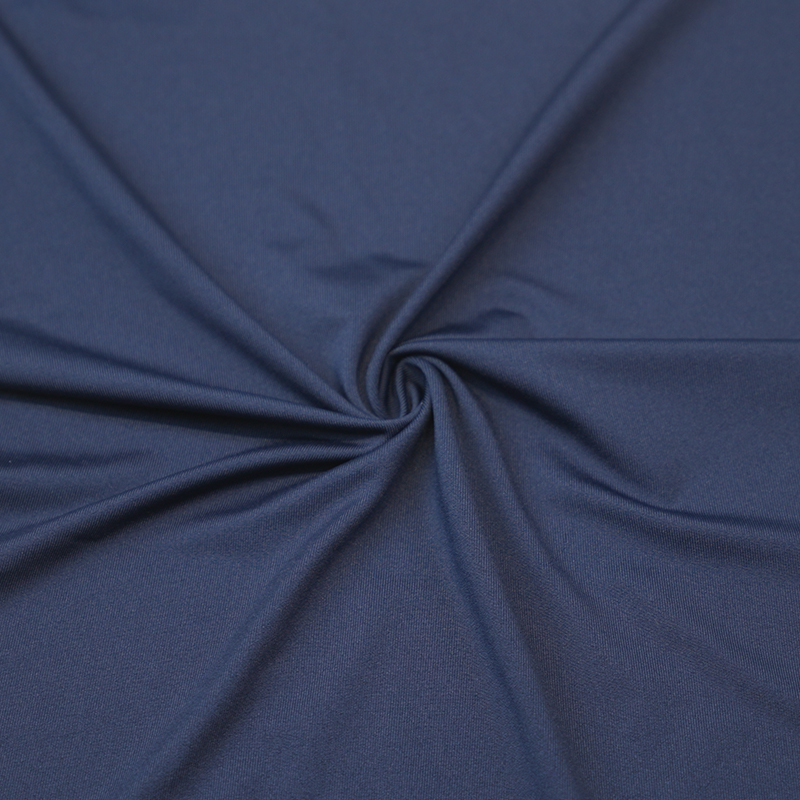
For a dependable everyday brief program, a compact cotton spandex jersey in the 150-180 gsm range is a safe starting point. One example is our cotton spandex jersey underwear fabric , a construction we ship regularly for basic briefs and shorts.
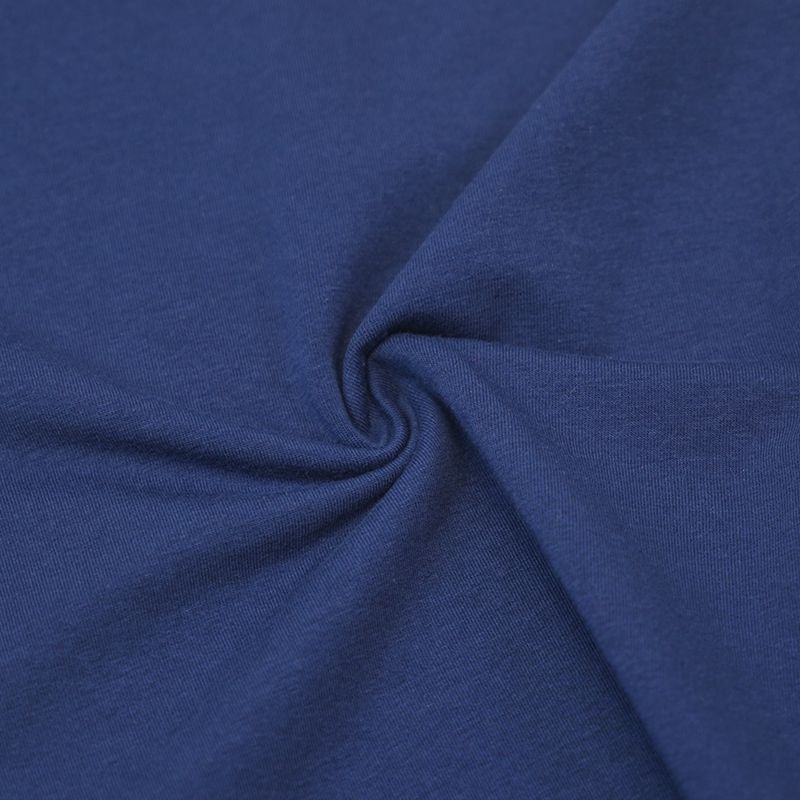 Custom Cotton spandex jersey underwear fabric Suppliers, OEM/ODM Company - Nant Nantong Tianhong Textile Technology Co., Ltd is China custom Cotton spandex jersey underwear fabric suppliers and OEM/ODM company,COTTON ... 제품보기 →
 Bamboo is one of the most popular materials in underwear marketing, and also one of the most misdescribed. The fiber used in most garments is bamboo viscose, which is not a natural fiber in the strict sense . Bamboo cellulose is dissolved with chemicals in a viscose process and regenerated into yarn. The raw material starts as a plant, but the yarn is the result of a chemical manufacturing process, not the mechanical cleaning and spinning used for cotton.
If the bamboo was grown organically, the correct description is viscose derived from organically grown bamboo. The organic qualification refers to the farming stage, not to the fiber-making chemistry.
In performance terms, bamboo viscose is genuinely soft, absorbs moisture well and drapes smoothly, which makes it a popular base for briefs and loungewear. One claim should be challenged, though: bamboo viscose does not have an inherent antibacterial effect in normal use. Marketing that leans heavily on that feature should be treated with caution.
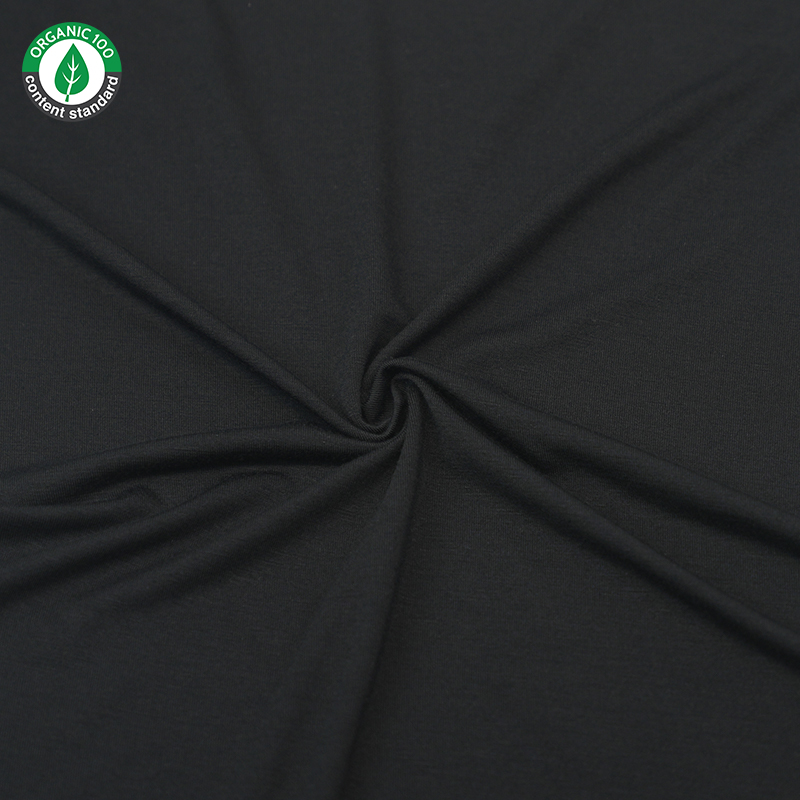
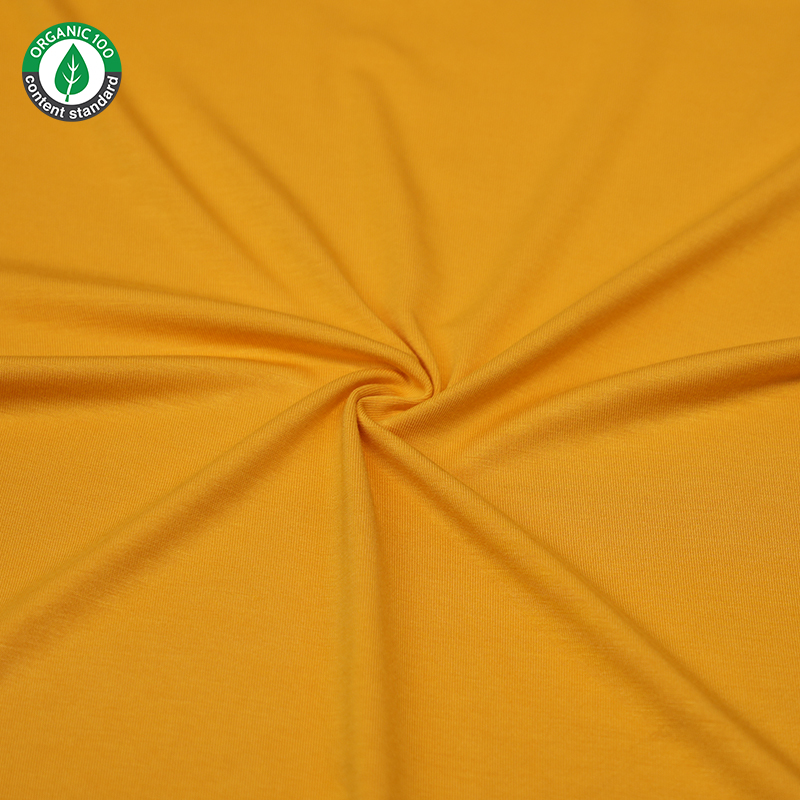
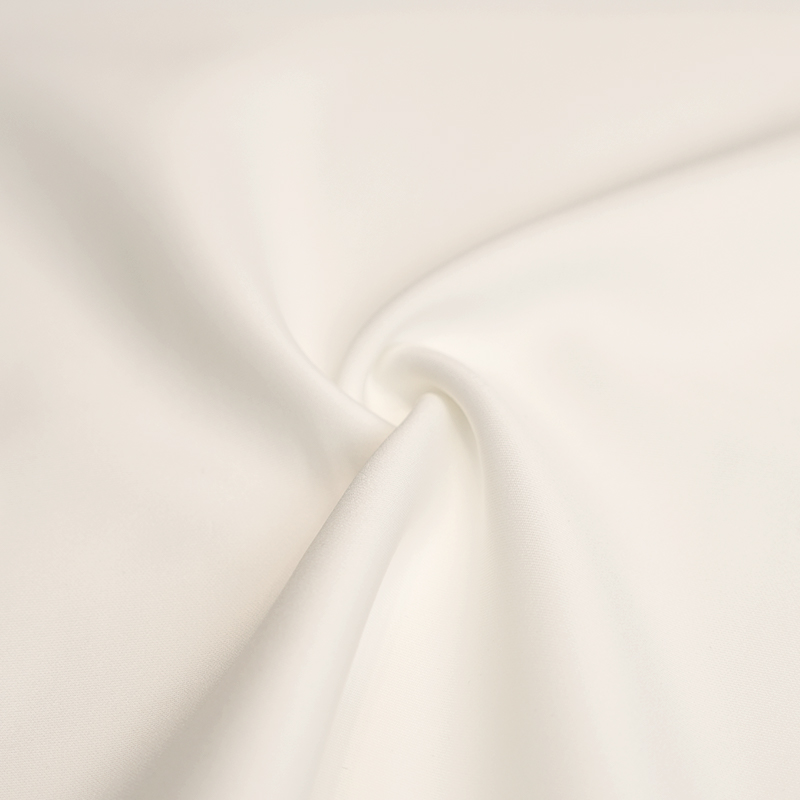
For brands looking for a soft, sustainability-positioned underwear fabric, we offer an organic bamboo spandex jersey underwear fabric made with viscose derived from organically grown bamboo.
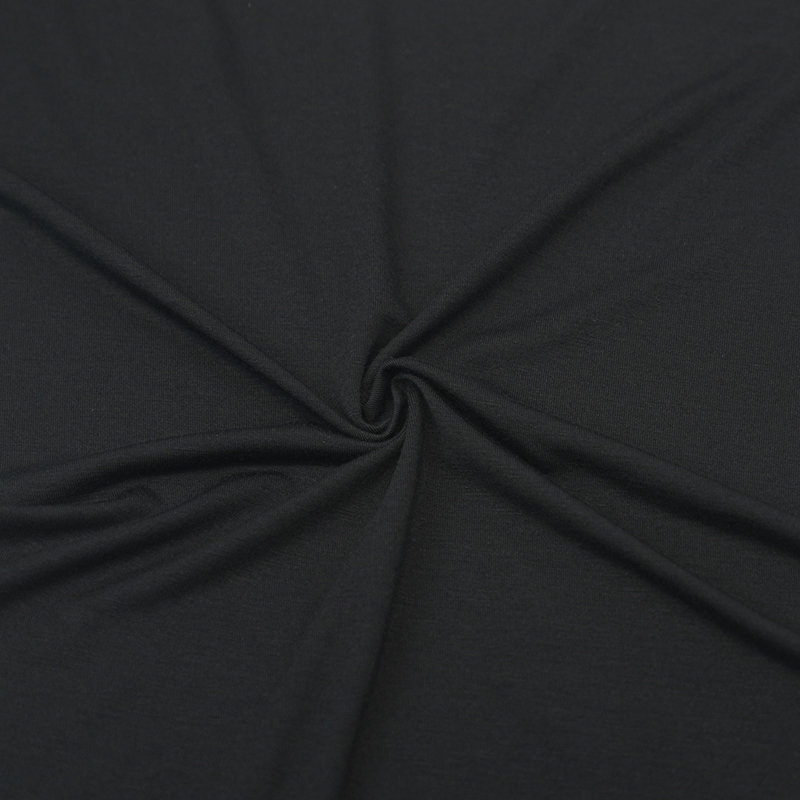 Custom Organic bamboo/spandex jersey underwear fabric Suppliers, OEM/ODM Company Nantong Tianhong Textile Technology Co., Ltd is China custom Organic bamboo/spandex jersey underwear fabric suppliers and OEM/ODM company... 제품보기 →
 Lyocell is a wood-pulp-based cellulosic fiber produced in a closed-loop process in which the solvent is recovered and reused at very high rates. It is known for a clean, even surface, good wet strength and balanced moisture management, which makes it a strong candidate for sensitive-skin product lines.
Modal, usually made from beechwood pulp, is prized for its softness and fluid drape. In underwear it is normally blended with spandex so that its softness does not turn into bagging. Both fibers belong to the same manufactured cellulosic family as bamboo viscose, but their process routes are generally more tightly controlled than the conventional viscose route.
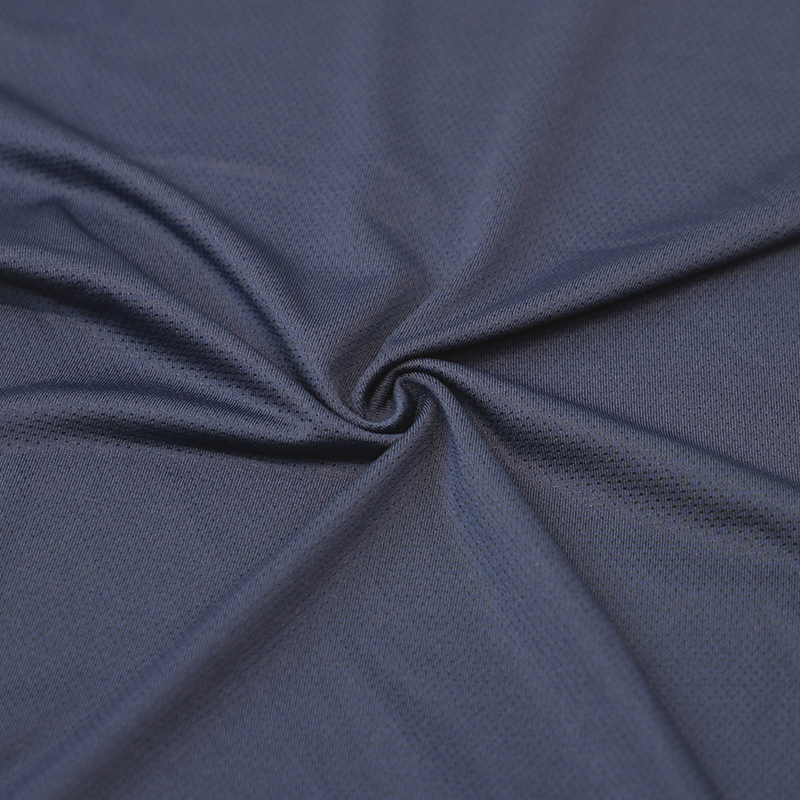
Recycled polyester is made by re-polymerizing PET waste into new fiber. In underwear it appears in active briefs and seamless styles because it dries quickly, holds color well and maintains shape. Its limitation is that a dense polyester jersey breathes less than a cellulosic fabric, so suppliers usually work with open structures such as mesh to restore ventilation.
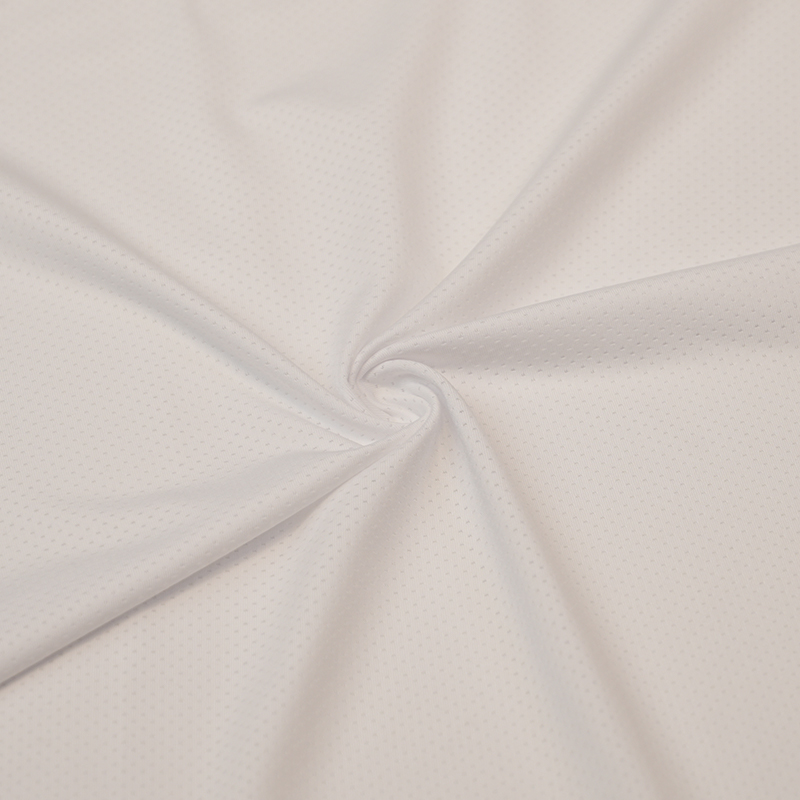
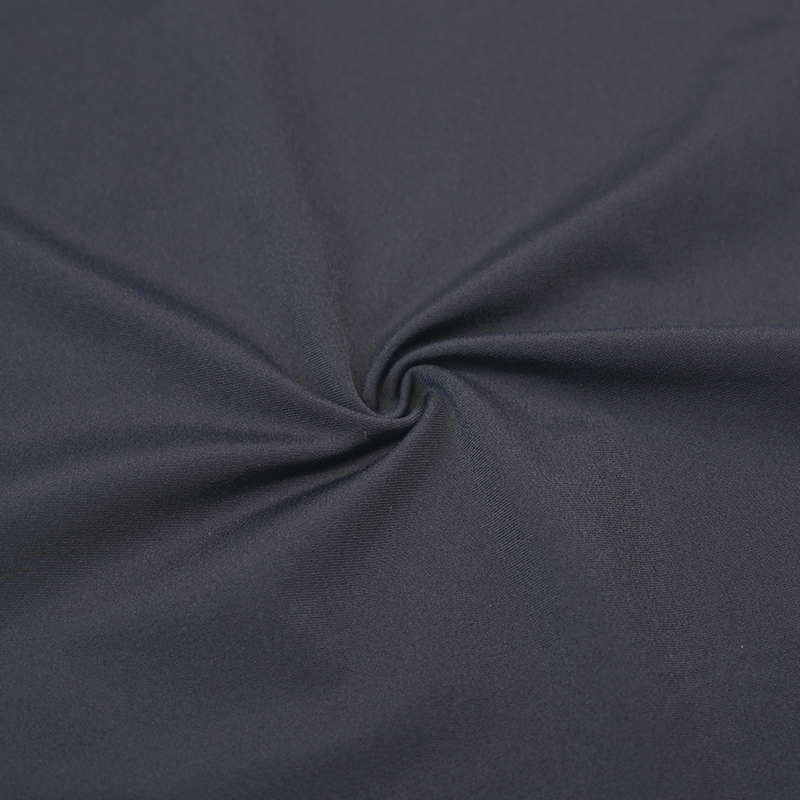
Recycled nylon, often produced from recovered fishing nets and industrial scraps, adds durability and a smooth surface. These materials reduce demand for virgin petroleum-based polymers, which is why they appear frequently in sustainable performance programs. 우리의 recycled polyester spandex jersey underwear fabric is an example of this category, balancing quick drying and shape retention with a soft, stretchy hand.
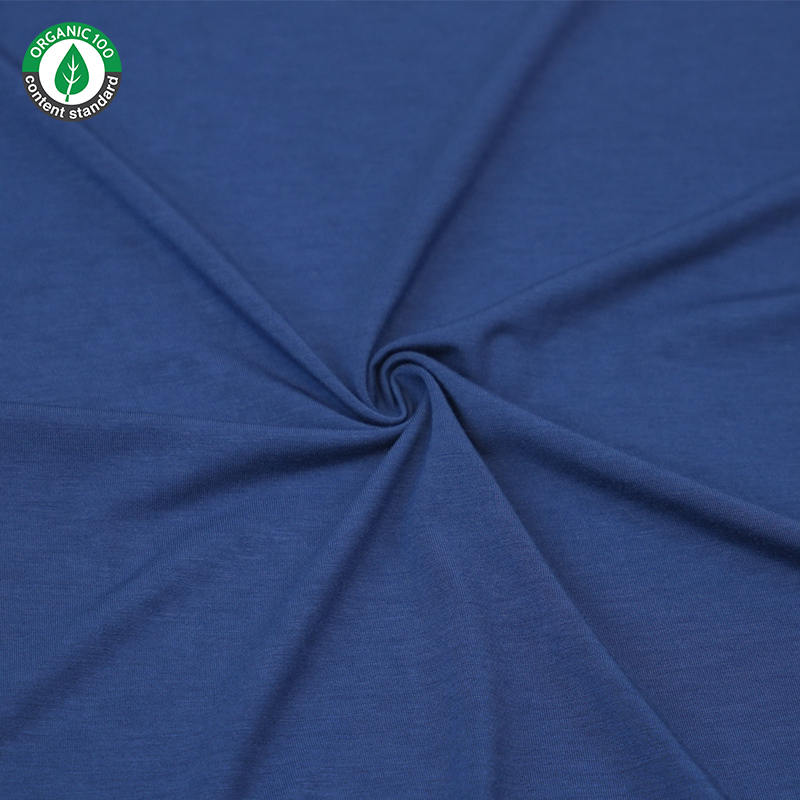
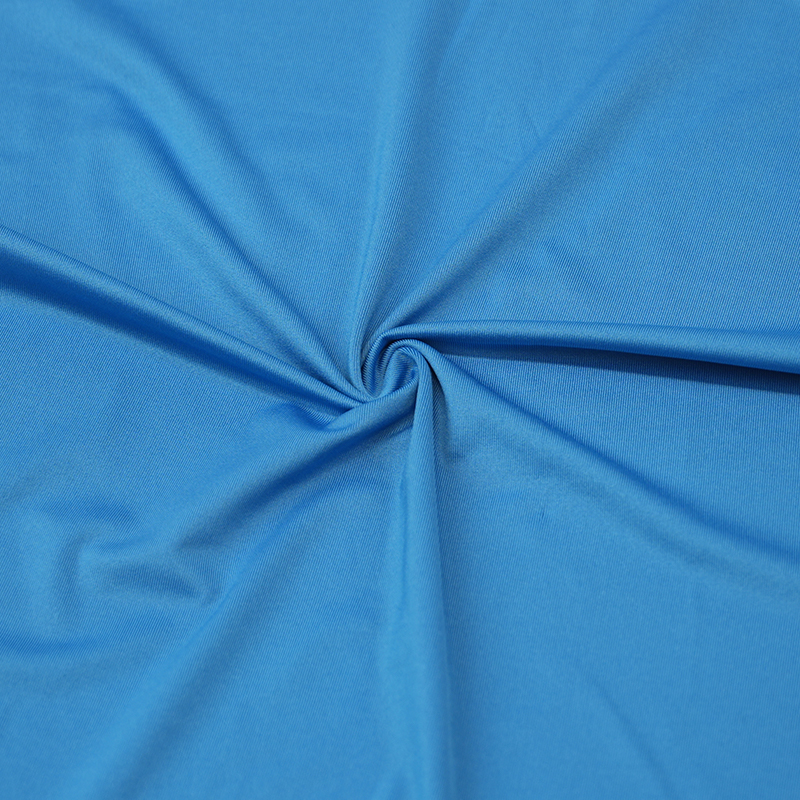 Custom Recycled polyester spandex jersey underwear fabric Suppliers, OEM/ODM Com Nantong Tianhong Textile Technology Co., Ltd is China custom Recycled polyester spandex jersey underwear fabric suppliers and OEM/ODM com... 제품보기 →
 Whatever the main fiber, 3% to 8% spandex is what gives a modern brief its elasticity. The quality of the spandex and the way it is knitted into the structure decide how long the garment keeps its fit. Weak recovery shows as a sagging waistband and stretched leg openings after a few washes. When evaluating underwear fabric, ask for recovery data after repeated laundering, not just a single stretch test.
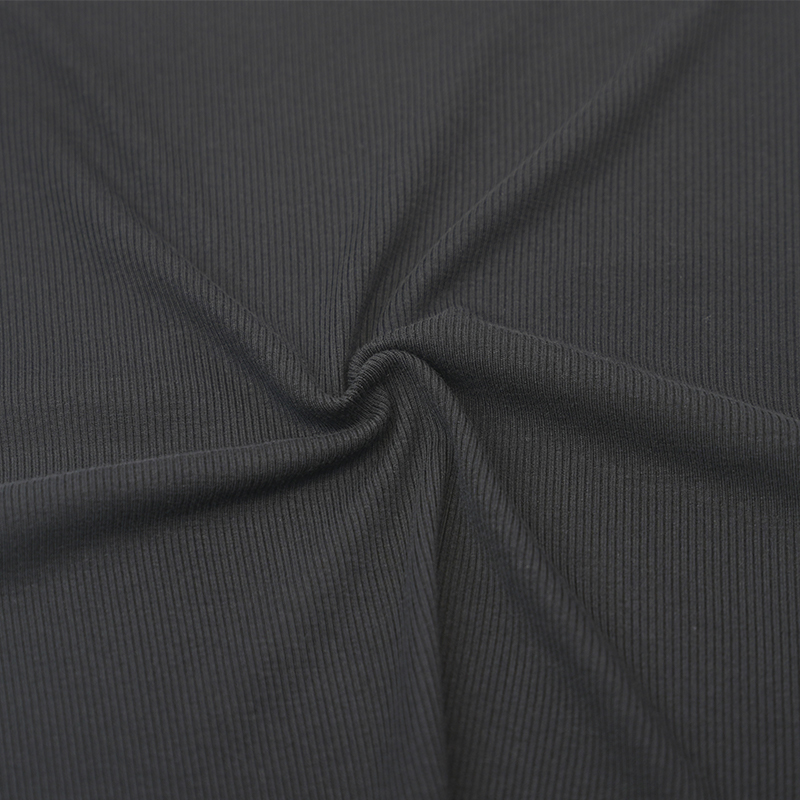
The knit structure is the second half of the equation. Single jersey is the most common underwear base: lightweight, stretchy, simple to cut and usually the least expensive. Rib structures, such as a 2x2 rib, provide stronger vertical stretch and recovery, which is why they appear in fitted briefs and waistband trims. Interlock is a double-faced construction that looks cleaner and compresses less; it resists bagging and is often chosen for boxer shorts and premium briefs. Mesh introduces open channels in the stitch pattern, improving airflow and shortening drying time for active underwear.
When yarn count and GSM are held similar, structure can affect breathability and recovery as much as the fiber does. That is why we recommend evaluating samples of the final body fabric rather than making decisions on fiber content alone.
For a full overview of the constructions available in this category, browse our briefs and underwear fabric range . For a deeper discussion of blends and trade-offs, our 속옷 원단 종류 및 특성에 대한 심층 비교 covers additional technical details.
For brands and manufacturers selecting underwear fabric, the checks fall into four groups.
Ask for OEKO-TEX Standard 100 certification in Class 2, which covers textiles for direct skin contact. For cellulosic fibers, confirm whether the wood or bamboo pulp carries FSC certification, which documents responsible forest sourcing. If organic is part of the proposition, request OCS or equivalent audit documents covering the entire fiber chain. For details on how we document raw-material sourcing and third-party audits, see our sustainability and certification practices .
Underwear jersey typically runs 140-180 gsm in our development programs. 그 아래에는 메쉬 제품이 아닌 이상 브리프가 허술한 느낌이 듭니다. above that, it loses flexibility and shifts toward thermal or loungewear use. 스판덱스 함량은 일반적으로 3%에서 8% 사이입니다. 정확한 비율은 회복량과 의류 가격에 직접적인 영향을 미치므로 공급업체에 확인하세요.
Wash testing is the fastest way to separate a working underwear fabric from a problematic one. 인쇄하려는 동일한 케어 라벨로 최소 5회 세탁 주기를 실행하고 수축, 보풀, 늘어짐 회복 및 색상 변화를 기록하십시오. Machine-wash and tumble-dry expectations should be agreed early, because the construction that survives them is not always the one that looks best on the roll.
Request cut pieces or sample rolls in the exact GSM, width and finishing route planned for production. A lab dip on a different base can mislead you: dye take-up and finishing behave differently on cotton-spandex jersey than on bamboo viscose or lyocell.
모든 카테고리에서 단일 속옷 원단이 승리할 수는 없습니다. Cotton is familiar and absorbent, bamboo viscose is soft and smooth, lyocell is moisture-managing, recycled polyester is quick drying, and spandex blends deliver the recovery that a modern cut demands. The right answer is the one that matches the target use, price point and care promise.
Nantong Tianhong Textile Technology Co., Ltd.(BAMSILK™)에서는 섬유, 구조, 인증 및 세탁 특성을 함께 테스트하는 정확한 프레임워크를 염두에 두고 속옷 원단을 개발합니다. 브리프, 팬티 또는 속옷 프로그램용 원단을 평가하는 경우 대량 주문을 하기 전에 복구 번호, 수축 데이터 및 인증 문서를 요청하세요.
자세한 내용은 당사에 문의하십시오
필요할 때 주저하지 마십시오!
우리 커뮤니티에 가입하고 연결되어 있습니다